
From Passion to Longevity
The Power of Hobbies: Can Crochet and Knitting Help Us Live Longer and Healthier Lives?

The Power of Hobbies: Can Crochet and Knitting Help Us Live Longer and Healthier Lives?
“Is a hobby simply a way to relax during our free time, or is it a powerful remedy that helps keep both our minds and bodies healthy and youthful in the long run? What do you think?”
☑ The Power of Hobbies
Our daily lives are constantly filled with responsibilities, phone screens, and demanding workloads. When we feel overwhelmed and exhausted, returning to something we genuinely love—a hobby that brings us joy—can feel like a soothing medicine for the soul.
Many people think of hobbies as merely a way to pass the time or fill their leisure hours. In reality, hobbies do much more than help us relax. They can also be valuable creative outlets that support our mental and physical well-being as we age, potentially contributing to a longer and healthier life.
Among the many hobbies we can enjoy, today's article will explore one of my personal favorites: crochet and knitting, and their potential connection to longevity.
☑ Medical and Scientific Research Related to Crochet
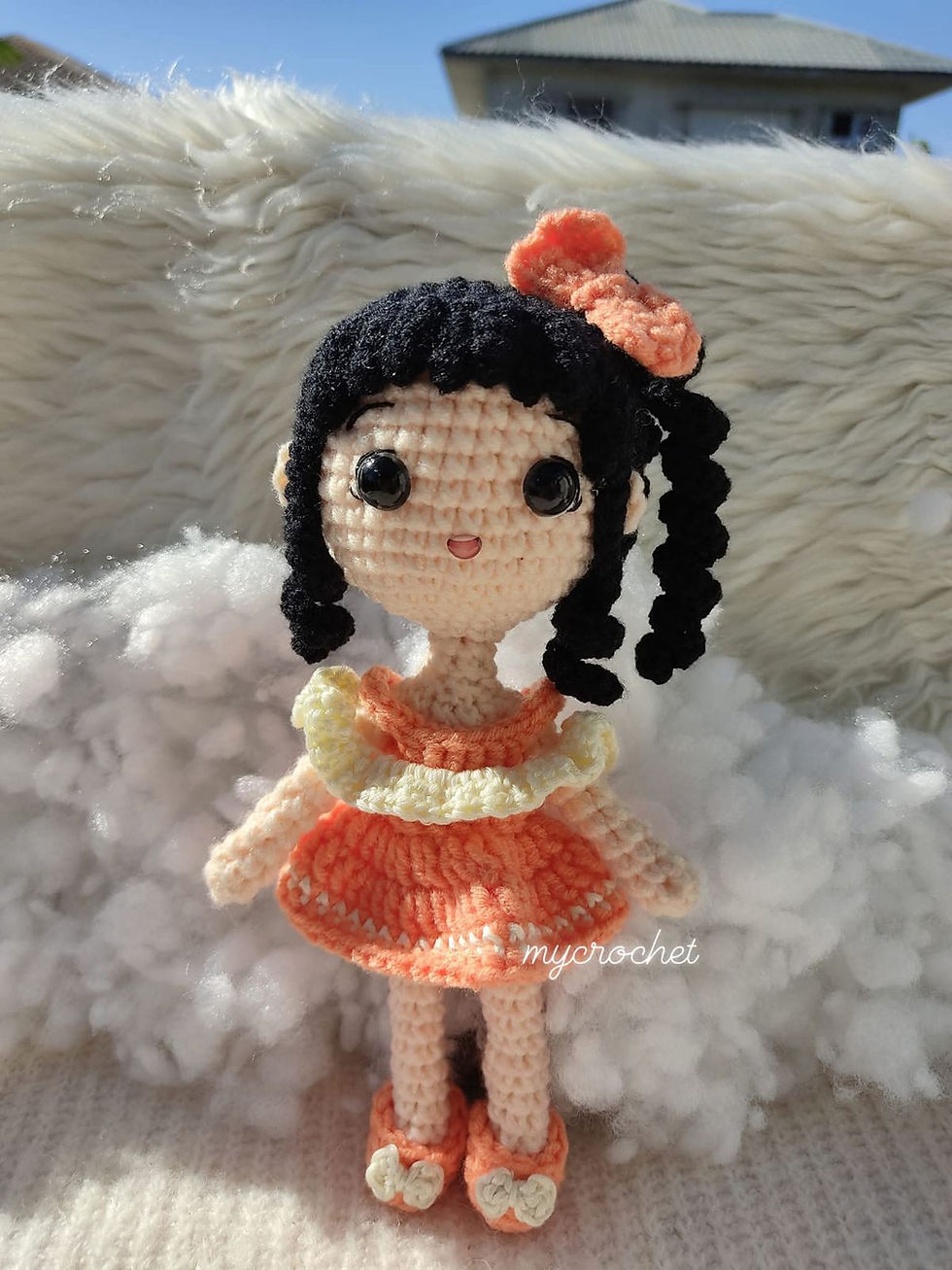
Crocheting can be compared to giving our brains a workout. Counting stitches, remembering patterns, and coordinating our fingers all require concentration and mental engagement. These activities challenge our cognitive abilities and may help keep our minds active as we grow older.
The potential benefits of crochet are not simply a matter of personal belief. Research on related activities, including knitting and other forms of crafting, has explored their effects on cognitive health, emotional well-being, and quality of life.
1. Cognitive Health and the Risk of Dementia
Activities that challenge the brain may help maintain cognitive function as we age. Crochet and knitting involve pattern recognition, attention, planning, and memory, making them potentially valuable forms of mental engagement.
In Mayo Clinic Study (Brain Health & Dementia Risk)
Title:Engaging in Cognitive Activities, Aging, and Mild Cognitive Impairment: A Population-Based Study
Authors: Yonas E. Geda, M.D., et al. (Mayo Clinic Study of Aging)
Journal:The Journal of Neuropsychiatry and Clinical Neurosciences (2011)
Link / DOI:https://doi.org/10.1176/jnp.2011.23.2.149
Key Finding: Participation in craft activities like crocheting and knitting in mid-to-late life was associated with a 30% to 50% lower likelihood of developing Mild Cognitive Impairment (MCI).
2. Stress Relief and Emotional Well-Being

The repetitive, rhythmic movements involved in knitting and crochet can feel calming, almost like a form of active meditation. Focusing on each stitch may help us slow down, redirect our attention away from daily worries, and experience a greater sense of peace.
In British Journal of Occupational Therapy (Mental Health & Wellbeing)
Title:The Benefits of Knitting for Personal and Social Wellbeing in Adulthood: Findings from an International Survey
Authors: Jill Riley, Betsan Corkhill, and Clare Morris
Journal:British Journal of Occupational Therapy (2013)
Link / DOI:https://doi.org/10.4276/030802213X13603255958980
Key Finding: Surveying over 3,500 crafters, 81% of respondents reported feeling significantly happier during and after crafting, noting benefits in stress reduction and mood elevation.
The study found that knitting was associated with positive emotional experiences, relaxation, and social benefits. Many participants reported feeling happier and more relaxed after knitting.
These findings suggest that knitting may be a meaningful activity for supporting emotional well-being.
3. Harvard Medical School Research (Relaxation Response)
Title:The Relaxation Response / Mind-Body Medicine Interventions
Author: Dr. Herbert Benson (Benson-Henry Institute for Mind Body Medicine at Massachusetts General Hospital / Harvard Medical School)
Overview Link: Harvard Health – Understanding the Stress Response & Relaxation
Key Finding: Repetitive motion combined with focus (such as crocheting, breathing, or meditation) triggers the physiological "relaxation response," effectively lowering heart rate, blood pressure, and cortisol levels.
Crochet requires concentration and often involves calm, repetitive movements. For some people, this can create a relaxing experience similar to aspects of meditation.
Relaxation techniques may help reduce stress and can influence physiological responses such as heart rate and blood pressure.
4. BBC / Stitchlinks Study (Chronic Pain & Loneliness)
Title:Crafting for Wellbeing & Pain Management
Organization: Stitchlinks (Clinical research collaboration on therapeutic crafting)
Article/Resource Link: BBC News – Can knitting and crochet improve your health?
Key Finding: Rhythmic crafting helps redirect brain signals away from chronic pain sensations while fostering social connections through crafting communities.
This study showed that Craft-based activities may also be helpful for people living with chronic pain.When we concentrate on creating something, our attention can shift away from discomfort. This is an example of a distraction technique, which may help some people cope with pain.
Crochet can also provide opportunities to connect with others through crafting groups, workshops, and online communities. These social connections may help reduce feelings of loneliness and isolation, particularly among older adults.
Sharing a hobby with others can create a sense of belonging, encourage social interaction, and provide opportunities to learn and support one another.
These benefits are important because social connection and emotional well-being are meaningful components of healthy aging.
5. Finding Purpose Through Creativity and Giving

When we create handmade items from a hobby we love, we have the opportunity to share them with the people who matter to us.
Giving crocheted gifts to loved ones or donating handmade items to those in need can create a deep sense of satisfaction and personal value.
These acts of creativity and generosity may strengthen our sense of purpose and meaning in life.
The Japanese concept of ikigai is often associated with having a sense of purpose and finding reasons to look forward to each day. For some people, a fulfilling hobby can become one small but meaningful part of that purpose.
☑ Crochet: More Than Just a Hobby
Crochet is more than simply a craft. It can be a meaningful activity that supports relaxation, creativity, mental engagement, and social connection—all of which may contribute to our overall well-being as we age.
Although crochet has not been proven to directly extend lifespan or prevent dementia, the enjoyment and sense of fulfillment it provides can be valuable parts of a healthy lifestyle.
☑ Conclusion: A Small Hobby, A Healthier Life
In conclusion, longevity is not necessarily about following complicated health routines or constantly pushing ourselves to do more. It can also involve making room for the things that bring us genuine joy and peace.
A simple hobby like crochet, which involves patiently transforming strands of yarn into something beautiful, gives us opportunities to keep our minds engaged, take a break from everyday stress, and experience the happiness of completing something with our own hands.Every finished creation can bring a sense of accomplishment, meaning, and fulfillment to our lives.
So, amid the daily struggles and responsibilities of life, let us make a little time for the hobbies that nourish our minds and bodies.
Through the simple act of turning tiny strands of yarn into something beautiful, let us begin creating a life filled with more smiles, greater well-being, and healthier aging—starting today.
Sometimes, the smallest threads can weave the greatest happiness into our lives.



Comments